Buy vernermotor.eu ?
We are moving the project
vernermotor.eu .
Are you interested in purchasing the domain
vernermotor.eu ?
domain@kv-gmbh.de · 0541-91531010
Buy vernermotor.eu ?
How can soil salinization be avoided?
Soil salinization can be avoided by implementing proper irrigation practices, such as using drip irrigation or precision watering techniques to prevent excessive salt buildup in the soil. Additionally, planting salt-tolerant crops and rotating crops can help to mitigate the effects of salinization. Proper drainage systems and land management practices can also help to prevent the accumulation of salts in the soil. Finally, reducing the use of chemical fertilizers and using organic amendments can help to maintain soil health and prevent salinization. **
How does soil salinization occur in dry areas?
Soil salinization occurs in dry areas when the rate of evaporation exceeds the rate of precipitation, leading to the accumulation of salts in the soil. As water evaporates from the soil surface, it leaves behind salts that are naturally present in the soil or are brought up from deeper layers. Over time, these salts can build up to levels that are harmful to plants, impacting their growth and productivity. Additionally, poor drainage in dry areas can exacerbate soil salinization by preventing excess salts from being leached out of the soil profile. **


Similar search terms for Salinization
Top-Angebote
Products related to Salinization:
-
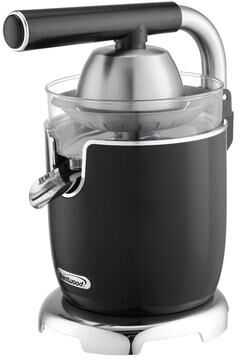
Brentwood Electric Powerful 80 Watt Citrus Juicer in BlackUse the 80w J-26BK Powerful Electric Citrus Juicer to produce healthy and fresh homemade juice from all your favorite citrus fruits. We've included small and large squeezing cones for fruits including oranges, lemons, limes, grapefruits, and more.47,99 $*Shipping: 0,00 $Secure redirect to the provider
-
Brentwood Electric Powerful 200 Watt Citrus Juicer in BlackUse the Powerful 200W Electric Citrus Juicer to produce healthy and fresh homemade juice from all your favorite citrus fruits. We've included small and large squeezing cones for fruits including oranges, lemons, limes, grapefruits, and more.56,49 $*Shipping: 0,00 $Secure redirect to the provider



-
How does soil salinization occur in arid areas?
Soil salinization occurs in arid areas primarily due to the lack of rainfall and high evaporation rates, which concentrate salts in the soil. When water evaporates from the soil surface, it leaves behind salts that accumulate over time. Additionally, irrigation practices in arid regions can contribute to soil salinization when water containing dissolved salts is applied to the soil and evaporates, leaving the salts behind. Over time, the buildup of salts can reach levels that are harmful to plant growth and soil health. **
-
Can someone please help me with explaining soil salinization?
Soil salinization is the process by which salt accumulates in the soil to levels that can negatively impact plant growth. This can occur naturally in arid regions where evaporation rates exceed precipitation, leaving behind salt deposits. Human activities such as irrigation with salty water or the use of fertilizers containing salts can also contribute to soil salinization. The excess salt in the soil can disrupt the osmotic balance of plants, making it difficult for them to take up water and nutrients, ultimately leading to reduced crop yields and degraded soil quality. **
-
What are the effects of irrigation and soil salinization?
Irrigation can have both positive and negative effects on soil. On one hand, it can increase crop yields and support agricultural production in areas with limited rainfall. However, over-irrigation can lead to waterlogging and soil salinization. Soil salinization occurs when the salt content in the soil increases to a level that is harmful to plant growth. This can lead to reduced crop yields, loss of biodiversity, and degradation of soil quality. Additionally, soil salinization can also affect the availability of water for irrigation and other agricultural activities. **
-
What is soil salinization and how can soil be irrigated?
Soil salinization is the accumulation of salts in the soil, which can negatively impact plant growth and crop productivity. To irrigate soil and help manage salinity levels, farmers can use techniques such as drip irrigation, which delivers water directly to the plant roots in a controlled manner, reducing the risk of salt buildup. Additionally, farmers can implement practices like leaching, where excess water is applied to the soil to flush out accumulated salts, helping to restore the soil's natural balance. **

Does soil salinization occur with every irrigation in arid areas?
Soil salinization does not necessarily occur with every irrigation in arid areas, but it is a common problem in these regions. When water is applied to the soil in arid areas, it can evaporate quickly, leaving behind salts that can accumulate over time and lead to salinization. Factors such as the quality of the irrigation water, the frequency of irrigation, and the drainage capacity of the soil can all influence the likelihood of salinization occurring. Proper management practices, such as using high-quality water and implementing effective drainage systems, can help mitigate the risk of soil salinization in arid areas. **
Why is mankind responsible for the salinization of the Aral Sea?
Mankind is responsible for the salinization of the Aral Sea primarily due to the extensive irrigation projects that diverted water from the two rivers that fed the sea, the Amu Darya and the Syr Darya, for agricultural purposes. This diversion of water led to a significant decrease in the water flow into the Aral Sea, causing it to shrink and become more saline. Additionally, the use of chemical fertilizers and pesticides in the agricultural fields further contributed to the salinization of the remaining water in the sea. These human activities have had a devastating impact on the environment and the livelihoods of the people living in the surrounding areas. **
Top-Angebote
Products related to Salinization:
-
Discount Dollar Deals Charger For Oral B Electric Toothbrush Replacement Base Adapter Magnetic, Efficient, Reliable, And Compatible us PlugKeep your Oral B iO Series Electric Toothbrush powered up and ready for use with this highquality replacement charger. Designed to perfectly fit and deliver reliable charging, this magnetic charger offers an efficient and hasslefree experience....64,97 $*Shipping: 0,00 $Secure redirect to the provider
-
eufy Fabric Cleaning Brush, Powerful Suction, Efficient Cleaning, Durable, Compatible with E28Compatible with eufy Robot Vacuum Omni E28. Effectively cleans your carpet and fabric furniture with powerful suction and high durability. Easy to replace—no tools needed. Note: To protect your robot vacuum and extend its lifespan, we recommend...12,75 $*Shipping: 0,00 $Secure redirect to the provider
-
How can soil salinization be avoided?
Soil salinization can be avoided by implementing proper irrigation practices, such as using drip irrigation or precision watering techniques to prevent excessive salt buildup in the soil. Additionally, planting salt-tolerant crops and rotating crops can help to mitigate the effects of salinization. Proper drainage systems and land management practices can also help to prevent the accumulation of salts in the soil. Finally, reducing the use of chemical fertilizers and using organic amendments can help to maintain soil health and prevent salinization. **
-
How does soil salinization occur in dry areas?
Soil salinization occurs in dry areas when the rate of evaporation exceeds the rate of precipitation, leading to the accumulation of salts in the soil. As water evaporates from the soil surface, it leaves behind salts that are naturally present in the soil or are brought up from deeper layers. Over time, these salts can build up to levels that are harmful to plants, impacting their growth and productivity. Additionally, poor drainage in dry areas can exacerbate soil salinization by preventing excess salts from being leached out of the soil profile. **
-
How does soil salinization occur in arid areas?
Soil salinization occurs in arid areas primarily due to the lack of rainfall and high evaporation rates, which concentrate salts in the soil. When water evaporates from the soil surface, it leaves behind salts that accumulate over time. Additionally, irrigation practices in arid regions can contribute to soil salinization when water containing dissolved salts is applied to the soil and evaporates, leaving the salts behind. Over time, the buildup of salts can reach levels that are harmful to plant growth and soil health. **
-
Can someone please help me with explaining soil salinization?
Soil salinization is the process by which salt accumulates in the soil to levels that can negatively impact plant growth. This can occur naturally in arid regions where evaporation rates exceed precipitation, leaving behind salt deposits. Human activities such as irrigation with salty water or the use of fertilizers containing salts can also contribute to soil salinization. The excess salt in the soil can disrupt the osmotic balance of plants, making it difficult for them to take up water and nutrients, ultimately leading to reduced crop yields and degraded soil quality. **
Similar search terms for Salinization
-
Brentwood Electric Powerful 80 Watt Citrus Juicer in BlackUse the 80w J-26BK Powerful Electric Citrus Juicer to produce healthy and fresh homemade juice from all your favorite citrus fruits. We've included small and large squeezing cones for fruits including oranges, lemons, limes, grapefruits, and more.47,99 $*Shipping: 0,00 $Secure redirect to the provider
-
Brentwood Electric Powerful 200 Watt Citrus Juicer in BlackUse the Powerful 200W Electric Citrus Juicer to produce healthy and fresh homemade juice from all your favorite citrus fruits. We've included small and large squeezing cones for fruits including oranges, lemons, limes, grapefruits, and more.56,49 $*Shipping: 0,00 $Secure redirect to the provider
-
Oase OptiMax 5000 Aquarium Pump – Compact, Efficient, and Silent Water Circulation, NewThe Oase OptiMax 5000 Aquarium Pump delivers powerful and reliable water circulation for medium to large aquariums, ensuring optimal oxygenation and a healthy aquatic environment. Built with German engineering , it offers exceptional performance, energy efficiency, and near-silent operation — making it ideal for both freshwater and marine setups. Designed for versatility and durability, the OptiMax 5000 is perfect for continuous use in filtration systems, decorative water features, or as a circulation pump in aquariums and aquascapes. Powerful 5000 L/h flow rate – provides effective water movement and filtration for clear, healthy water. Energy-efficient design – achieves strong performance with minimal power consumption. Extremely quiet operation – ideal for living spaces and indoor aquariums. Compact and robust construction – fits easily into tight spaces within tanks or filter systems. Adjustable flow control – allows precise regulation of water circulation to suit your setup. Versatile use – suitable for both freshwater and saltwater aquariums, as well as indoor water features. Reliable German engineering – built for long-term performance and continuous operation. Safe and easy to maintain – detachable components for effortless cleaning and maintenance. Can be used submerged or externally – adaptable for multiple configurations. The Oase OptiMax 5000 is a high-performance, energy-efficient solution designed to maintain crystal-clear water and optimal circulation — perfect for aquarists who prioritise reliability, quietness, and professional quality. Specification Details Model Oase OptiMax 5000 Type Aquarium / Circulation Pump Maximum Flow Rate 5000 L/h Max Head Height Approx. 3.5 m Power Consumption 85 W Voltage 230 V / 50 Hz Control Adjustable Flow Installation Type Submersible or External Suitable For Freshwater & Saltwater Aquariums Dimensions Approx. 182 × 102 × 120 mm Weight Approx. 1.5 kg Noise Level Extremely Quiet Operation Material Durable, corrosion-resistant housing Cable Length Approx. 2.5 m Country of Origin Germany99,99 £*Shipping: 0,00 £Secure redirect to the provider
-
What are the effects of irrigation and soil salinization?
Irrigation can have both positive and negative effects on soil. On one hand, it can increase crop yields and support agricultural production in areas with limited rainfall. However, over-irrigation can lead to waterlogging and soil salinization. Soil salinization occurs when the salt content in the soil increases to a level that is harmful to plant growth. This can lead to reduced crop yields, loss of biodiversity, and degradation of soil quality. Additionally, soil salinization can also affect the availability of water for irrigation and other agricultural activities. **
-
What is soil salinization and how can soil be irrigated?
Soil salinization is the accumulation of salts in the soil, which can negatively impact plant growth and crop productivity. To irrigate soil and help manage salinity levels, farmers can use techniques such as drip irrigation, which delivers water directly to the plant roots in a controlled manner, reducing the risk of salt buildup. Additionally, farmers can implement practices like leaching, where excess water is applied to the soil to flush out accumulated salts, helping to restore the soil's natural balance. **
-
Does soil salinization occur with every irrigation in arid areas?
Soil salinization does not necessarily occur with every irrigation in arid areas, but it is a common problem in these regions. When water is applied to the soil in arid areas, it can evaporate quickly, leaving behind salts that can accumulate over time and lead to salinization. Factors such as the quality of the irrigation water, the frequency of irrigation, and the drainage capacity of the soil can all influence the likelihood of salinization occurring. Proper management practices, such as using high-quality water and implementing effective drainage systems, can help mitigate the risk of soil salinization in arid areas. **
-
Why is mankind responsible for the salinization of the Aral Sea?
Mankind is responsible for the salinization of the Aral Sea primarily due to the extensive irrigation projects that diverted water from the two rivers that fed the sea, the Amu Darya and the Syr Darya, for agricultural purposes. This diversion of water led to a significant decrease in the water flow into the Aral Sea, causing it to shrink and become more saline. Additionally, the use of chemical fertilizers and pesticides in the agricultural fields further contributed to the salinization of the remaining water in the sea. These human activities have had a devastating impact on the environment and the livelihoods of the people living in the surrounding areas. **
* All prices are inclusive of VAT and, if applicable, plus shipping costs. The offer information is based on the details provided by the respective shop and is updated through automated processes. Real-time updates do not occur, so deviations can occur in individual cases. ** Note: Parts of this content were created by AI.