Buy vernermotor.eu ?
We are moving the project
vernermotor.eu .
Are you interested in purchasing the domain
vernermotor.eu ?
domain@kv-gmbh.de · 0541-91531010
Buy vernermotor.eu ?
Which animals have gills?
Animals that have gills include fish, some amphibians like tadpoles, and certain invertebrates such as mollusks and crustaceans. Gills are respiratory organs that allow these animals to extract oxygen from water. Gills are typically found in aquatic animals that live in water environments. **
What are artificial gills?
Artificial gills are devices designed to extract oxygen from water, allowing humans to breathe underwater. These devices typically use a chemical process to separate oxygen from water molecules, mimicking the way gills work in fish. While there have been some prototypes and concepts developed for artificial gills, creating a practical and efficient device for human use remains a significant challenge. Nonetheless, the development of artificial gills could have significant implications for underwater exploration and potentially even for emergency situations. **


Similar search terms for Gills
Top-Angebote
Products related to Gills:
-
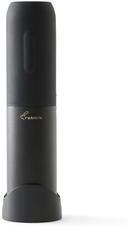
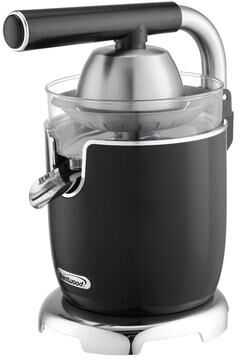
Brentwood Electric Powerful 80 Watt Citrus Juicer in BlackUse the 80w J-26BK Powerful Electric Citrus Juicer to produce healthy and fresh homemade juice from all your favorite citrus fruits. We've included small and large squeezing cones for fruits including oranges, lemons, limes, grapefruits, and more.47,99 $*Shipping: 0,00 $Secure redirect to the provider



-
Do fire salamanders have gills?
No, fire salamanders do not have gills. They are amphibians and breathe through their skin and lungs. As they mature, they lose their gills and develop lungs for breathing on land. Fire salamanders typically live in moist environments and are known for their striking black and yellow coloration. **
-
Can a human have gills?
No, humans cannot have gills. Gills are respiratory organs found in aquatic animals that allow them to extract oxygen from water. Humans have lungs, which are adapted for breathing air. Our respiratory system is not designed to extract oxygen from water, so we are not capable of having gills. **
-
What types of gills are there?
There are two main types of gills found in aquatic animals: external gills and internal gills. External gills are located on the outside of the body and are commonly seen in larval amphibians like tadpoles. Internal gills are found inside the body, either in the form of gill slits in fish or within specialized structures like gill chambers in mollusks. Both types of gills are essential for extracting oxygen from water and are adapted to the specific needs of the organism's environment. **
-
Which animal has gills and lungs?
The animal that has both gills and lungs is the amphibian. Amphibians have gills during their larval stage when they live in water, and then develop lungs as they transition to living on land as adults. This dual respiratory system allows them to breathe both underwater and on land, making them well-adapted to their semi-aquatic lifestyle. **

Does the platy have red gills?
Yes, the platy does have red gills. The gills of the platy are typically a bright red color, which helps them extract oxygen from the water. This is a natural characteristic of the platy and is not a cause for concern as long as the fish is otherwise healthy and active. **
How can gills be developed through atavism?
Gills can be developed through atavism, which is the reappearance of ancestral traits in an organism. This can occur when there is a genetic mutation or alteration that triggers the reactivation of genes responsible for gill development. These genes may have been dormant for generations but can resurface under certain conditions, leading to the formation of gills in an individual. Atavism is a rare occurrence but can result in the manifestation of ancestral characteristics, such as gills, in modern organisms. **
Top-Angebote
Products related to Gills:
-
Discount Dollar Deals Charger For Oral B Electric Toothbrush Replacement Base Adapter Magnetic, Efficient, Reliable, And Compatible us PlugKeep your Oral B iO Series Electric Toothbrush powered up and ready for use with this highquality replacement charger. Designed to perfectly fit and deliver reliable charging, this magnetic charger offers an efficient and hasslefree experience....64,97 $*Shipping: 0,00 $Secure redirect to the provider
-
eufy Fabric Cleaning Brush, Powerful Suction, Efficient Cleaning, Durable, Compatible with E28Compatible with eufy Robot Vacuum Omni E28. Effectively cleans your carpet and fabric furniture with powerful suction and high durability. Easy to replace—no tools needed. Note: To protect your robot vacuum and extend its lifespan, we recommend...12,75 $*Shipping: 0,00 $Secure redirect to the provider
-
Which animals have gills?
Animals that have gills include fish, some amphibians like tadpoles, and certain invertebrates such as mollusks and crustaceans. Gills are respiratory organs that allow these animals to extract oxygen from water. Gills are typically found in aquatic animals that live in water environments. **
-
What are artificial gills?
Artificial gills are devices designed to extract oxygen from water, allowing humans to breathe underwater. These devices typically use a chemical process to separate oxygen from water molecules, mimicking the way gills work in fish. While there have been some prototypes and concepts developed for artificial gills, creating a practical and efficient device for human use remains a significant challenge. Nonetheless, the development of artificial gills could have significant implications for underwater exploration and potentially even for emergency situations. **
-
Do fire salamanders have gills?
No, fire salamanders do not have gills. They are amphibians and breathe through their skin and lungs. As they mature, they lose their gills and develop lungs for breathing on land. Fire salamanders typically live in moist environments and are known for their striking black and yellow coloration. **
-
Can a human have gills?
No, humans cannot have gills. Gills are respiratory organs found in aquatic animals that allow them to extract oxygen from water. Humans have lungs, which are adapted for breathing air. Our respiratory system is not designed to extract oxygen from water, so we are not capable of having gills. **
Similar search terms for Gills
-
Brentwood Electric Powerful 80 Watt Citrus Juicer in BlackUse the 80w J-26BK Powerful Electric Citrus Juicer to produce healthy and fresh homemade juice from all your favorite citrus fruits. We've included small and large squeezing cones for fruits including oranges, lemons, limes, grapefruits, and more.47,99 $*Shipping: 0,00 $Secure redirect to the provider
-
Brentwood Electric Powerful 200 Watt Citrus Juicer in BlackUse the Powerful 200W Electric Citrus Juicer to produce healthy and fresh homemade juice from all your favorite citrus fruits. We've included small and large squeezing cones for fruits including oranges, lemons, limes, grapefruits, and more.56,49 $*Shipping: 0,00 $Secure redirect to the provider
-
Oase OptiMax 5000 Aquarium Pump – Compact, Efficient, and Silent Water Circulation, NewThe Oase OptiMax 5000 Aquarium Pump delivers powerful and reliable water circulation for medium to large aquariums, ensuring optimal oxygenation and a healthy aquatic environment. Built with German engineering , it offers exceptional performance, energy efficiency, and near-silent operation — making it ideal for both freshwater and marine setups. Designed for versatility and durability, the OptiMax 5000 is perfect for continuous use in filtration systems, decorative water features, or as a circulation pump in aquariums and aquascapes. Powerful 5000 L/h flow rate – provides effective water movement and filtration for clear, healthy water. Energy-efficient design – achieves strong performance with minimal power consumption. Extremely quiet operation – ideal for living spaces and indoor aquariums. Compact and robust construction – fits easily into tight spaces within tanks or filter systems. Adjustable flow control – allows precise regulation of water circulation to suit your setup. Versatile use – suitable for both freshwater and saltwater aquariums, as well as indoor water features. Reliable German engineering – built for long-term performance and continuous operation. Safe and easy to maintain – detachable components for effortless cleaning and maintenance. Can be used submerged or externally – adaptable for multiple configurations. The Oase OptiMax 5000 is a high-performance, energy-efficient solution designed to maintain crystal-clear water and optimal circulation — perfect for aquarists who prioritise reliability, quietness, and professional quality. Specification Details Model Oase OptiMax 5000 Type Aquarium / Circulation Pump Maximum Flow Rate 5000 L/h Max Head Height Approx. 3.5 m Power Consumption 85 W Voltage 230 V / 50 Hz Control Adjustable Flow Installation Type Submersible or External Suitable For Freshwater & Saltwater Aquariums Dimensions Approx. 182 × 102 × 120 mm Weight Approx. 1.5 kg Noise Level Extremely Quiet Operation Material Durable, corrosion-resistant housing Cable Length Approx. 2.5 m Country of Origin Germany99,99 £*Shipping: 0,00 £Secure redirect to the provider
-
What types of gills are there?
There are two main types of gills found in aquatic animals: external gills and internal gills. External gills are located on the outside of the body and are commonly seen in larval amphibians like tadpoles. Internal gills are found inside the body, either in the form of gill slits in fish or within specialized structures like gill chambers in mollusks. Both types of gills are essential for extracting oxygen from water and are adapted to the specific needs of the organism's environment. **
-
Which animal has gills and lungs?
The animal that has both gills and lungs is the amphibian. Amphibians have gills during their larval stage when they live in water, and then develop lungs as they transition to living on land as adults. This dual respiratory system allows them to breathe both underwater and on land, making them well-adapted to their semi-aquatic lifestyle. **
-
Does the platy have red gills?
Yes, the platy does have red gills. The gills of the platy are typically a bright red color, which helps them extract oxygen from the water. This is a natural characteristic of the platy and is not a cause for concern as long as the fish is otherwise healthy and active. **
-
How can gills be developed through atavism?
Gills can be developed through atavism, which is the reappearance of ancestral traits in an organism. This can occur when there is a genetic mutation or alteration that triggers the reactivation of genes responsible for gill development. These genes may have been dormant for generations but can resurface under certain conditions, leading to the formation of gills in an individual. Atavism is a rare occurrence but can result in the manifestation of ancestral characteristics, such as gills, in modern organisms. **
* All prices are inclusive of VAT and, if applicable, plus shipping costs. The offer information is based on the details provided by the respective shop and is updated through automated processes. Real-time updates do not occur, so deviations can occur in individual cases. ** Note: Parts of this content were created by AI.