Buy vernermotor.eu ?
We are moving the project
vernermotor.eu .
Are you interested in purchasing the domain
vernermotor.eu ?
domain@kv-gmbh.de · 0541-91531010
Buy vernermotor.eu ?
Why does electric current flow?
Electric current flows when there is a movement of charged particles, such as electrons, through a conductor. This movement is driven by a potential difference, or voltage, which creates an electric field that pushes the charged particles in a specific direction. The flow of electric current is essential for the functioning of electrical devices and circuits, as it allows for the transfer of energy and the generation of various electrical effects. **
Why is heat transfer more efficient in countercurrent flow?
Heat transfer is more efficient in countercurrent flow because it allows for a greater temperature difference between the two fluids throughout the entire length of the heat exchanger. This maximizes the rate of heat transfer between the two fluids. In countercurrent flow, the fluids flow in opposite directions, which helps to maintain a high temperature gradient and prevents the two fluids from reaching thermal equilibrium too quickly. As a result, countercurrent flow allows for more efficient heat transfer compared to cocurrent flow. **

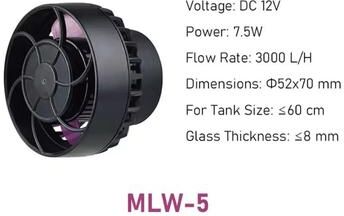
Similar search terms for Flow
Top-Angebote
Products related to Flow:
-
Discount Dollar Deals Charger For Oral B Electric Toothbrush Replacement Base Adapter Magnetic, Efficient, Reliable, And Compatible us PlugKeep your Oral B iO Series Electric Toothbrush powered up and ready for use with this highquality replacement charger. Designed to perfectly fit and deliver reliable charging, this magnetic charger offers an efficient and hasslefree experience....64,97 $*Shipping: 0,00 $Secure redirect to the provider
-
Uttermost Sandstone Flow Small Terracotta VaseHandcrafted From Terracotta, This Vase Features An Organic Texture Reminiscent Of Flowing Sand Dunes. Its Earthy Tones And Sculptural Form Make It A Striking Accent Piece, Perfect For Adding Warmth And Artistry To Any Space.187,20 $*Shipping: 0,00 $Secure redirect to the provider



-
Does electric energy flow through a conductor?
Yes, electric energy does flow through a conductor. When a voltage is applied across a conductor, it creates an electric field that causes the flow of electric charge, which is the movement of electrons. This flow of electrons through the conductor is what we refer to as electric current, and it is how electric energy is transmitted from one point to another. **
-
'In which direction does electric current flow?'
Electric current flows from the positive terminal to the negative terminal in a circuit. This convention is based on the historical understanding of electricity and is known as conventional current flow. However, in reality, the flow of electrons (which carry the electric current) is from the negative terminal to the positive terminal, in a direction opposite to conventional current flow. **
-
How do you calculate the electric current flow?
Electric current flow is calculated using Ohm's Law, which states that current (I) is equal to the voltage (V) divided by the resistance (R). Mathematically, this can be represented as I = V/R. By measuring the voltage across a circuit and the resistance of the circuit, you can use this formula to calculate the electric current flowing through it. The unit of electric current is the ampere (A). **
-
What is the direction of the electric current flow?
The direction of electric current flow is from the positive terminal to the negative terminal of a voltage source, such as a battery. This convention is known as conventional current flow. In reality, electrons flow in the opposite direction, from the negative terminal to the positive terminal, but it is easier to analyze circuits using the conventional current flow direction. **


What is necessary for an electric current to flow?
For an electric current to flow, there must be a closed circuit, which means a complete path for the current to travel. This circuit must include a source of electrical potential, such as a battery or power supply, to provide the energy for the current to flow. Additionally, there must be a conductive material, such as a wire, to allow the movement of electrons and complete the circuit. Finally, there must be a potential difference, or voltage, between two points in the circuit to drive the flow of electrons. **
How are pressure, volume flow, and flow velocity related?
Pressure, volume flow, and flow velocity are related through the principles of fluid dynamics. When there is an increase in pressure, the volume flow rate also increases, and the flow velocity also increases. This relationship is described by the equation of continuity, which states that the product of the cross-sectional area and the flow velocity is constant for an incompressible fluid. Therefore, as pressure increases, the fluid flow must also increase in order to maintain the constant product of area and velocity. **
Top-Angebote
Products related to Flow:
-
Uplift Essentials Professional Smart Wavemaker Flow Pump With LCD Controller flow 5Enhance your aquarium's ecosystem with this advanced Smart Wavemaker Flow Pump, designed to provide a wide, diffused outflow that eliminates dead spots and ensures optimal water circulation. Featuring cuttingedge sine wave technology, this pump...169,97 $*Shipping: 0,00 $Secure redirect to the provider
-
Discount Dollar Deals Charger For Oral B Electric Toothbrush Replacement Base Adapter Magnetic, Efficient, Reliable, And Compatible us PlugKeep your Oral B iO Series Electric Toothbrush powered up and ready for use with this highquality replacement charger. Designed to perfectly fit and deliver reliable charging, this magnetic charger offers an efficient and hasslefree experience....64,97 $*Shipping: 0,00 $Secure redirect to the provider
-
Why does electric current flow?
Electric current flows when there is a movement of charged particles, such as electrons, through a conductor. This movement is driven by a potential difference, or voltage, which creates an electric field that pushes the charged particles in a specific direction. The flow of electric current is essential for the functioning of electrical devices and circuits, as it allows for the transfer of energy and the generation of various electrical effects. **
-
Why is heat transfer more efficient in countercurrent flow?
Heat transfer is more efficient in countercurrent flow because it allows for a greater temperature difference between the two fluids throughout the entire length of the heat exchanger. This maximizes the rate of heat transfer between the two fluids. In countercurrent flow, the fluids flow in opposite directions, which helps to maintain a high temperature gradient and prevents the two fluids from reaching thermal equilibrium too quickly. As a result, countercurrent flow allows for more efficient heat transfer compared to cocurrent flow. **
-
Does electric energy flow through a conductor?
Yes, electric energy does flow through a conductor. When a voltage is applied across a conductor, it creates an electric field that causes the flow of electric charge, which is the movement of electrons. This flow of electrons through the conductor is what we refer to as electric current, and it is how electric energy is transmitted from one point to another. **
-
'In which direction does electric current flow?'
Electric current flows from the positive terminal to the negative terminal in a circuit. This convention is based on the historical understanding of electricity and is known as conventional current flow. However, in reality, the flow of electrons (which carry the electric current) is from the negative terminal to the positive terminal, in a direction opposite to conventional current flow. **
Similar search terms for Flow
-
Uttermost Sandstone Flow Small Terracotta VaseHandcrafted From Terracotta, This Vase Features An Organic Texture Reminiscent Of Flowing Sand Dunes. Its Earthy Tones And Sculptural Form Make It A Striking Accent Piece, Perfect For Adding Warmth And Artistry To Any Space.187,20 $*Shipping: 0,00 $Secure redirect to the provider
-
Allan Andrews Electric Flow Free Formed VaseThis hand-blown vase features a captivating ombre effect, blending cool gray and aubergine with warm beige and gold. With its unique shape and matte finish, it brings a modern touch to any design.189,00 $*Shipping: 0,00 $Secure redirect to the provider
-
Uplift Essentials Professional Smart Wavemaker Flow Pump With LCD Controller flow 30Enhance your aquarium's ecosystem with this advanced Smart Wavemaker Flow Pump, designed to provide a wide, diffused outflow that eliminates dead spots and ensures optimal water circulation. Featuring cuttingedge sine wave technology, this pump...225,97 $*Shipping: 0,00 $Secure redirect to the provider
-
How do you calculate the electric current flow?
Electric current flow is calculated using Ohm's Law, which states that current (I) is equal to the voltage (V) divided by the resistance (R). Mathematically, this can be represented as I = V/R. By measuring the voltage across a circuit and the resistance of the circuit, you can use this formula to calculate the electric current flowing through it. The unit of electric current is the ampere (A). **
-
What is the direction of the electric current flow?
The direction of electric current flow is from the positive terminal to the negative terminal of a voltage source, such as a battery. This convention is known as conventional current flow. In reality, electrons flow in the opposite direction, from the negative terminal to the positive terminal, but it is easier to analyze circuits using the conventional current flow direction. **
-
What is necessary for an electric current to flow?
For an electric current to flow, there must be a closed circuit, which means a complete path for the current to travel. This circuit must include a source of electrical potential, such as a battery or power supply, to provide the energy for the current to flow. Additionally, there must be a conductive material, such as a wire, to allow the movement of electrons and complete the circuit. Finally, there must be a potential difference, or voltage, between two points in the circuit to drive the flow of electrons. **
-
How are pressure, volume flow, and flow velocity related?
Pressure, volume flow, and flow velocity are related through the principles of fluid dynamics. When there is an increase in pressure, the volume flow rate also increases, and the flow velocity also increases. This relationship is described by the equation of continuity, which states that the product of the cross-sectional area and the flow velocity is constant for an incompressible fluid. Therefore, as pressure increases, the fluid flow must also increase in order to maintain the constant product of area and velocity. **
* All prices are inclusive of VAT and, if applicable, plus shipping costs. The offer information is based on the details provided by the respective shop and is updated through automated processes. Real-time updates do not occur, so deviations can occur in individual cases. ** Note: Parts of this content were created by AI.