Buy vernermotor.eu ?
We are moving the project
vernermotor.eu .
Are you interested in purchasing the domain
vernermotor.eu ?
domain@kv-gmbh.de · 0541-91531010
Buy vernermotor.eu ?
Search for a table for the number of stitches when knitting a hat.
You can find a table for the number of stitches when knitting a hat by searching for "knitting hat stitch count chart" or "knitting hat size and stitch count guide." These tables typically provide the recommended number of stitches to cast on based on the hat size and the gauge of your knitting. You can also find this information in knitting books or on knitting websites. Make sure to consider the yarn weight and needle size you are using when referencing these tables. **
Are these stitches?
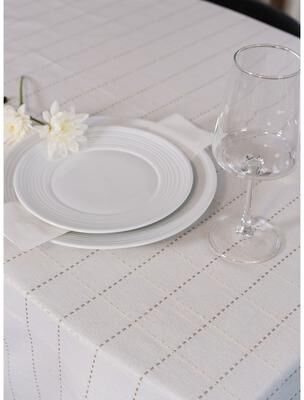
Yes, the image shows a close-up of stitches on a piece of fabric. The stitches appear to be evenly spaced and are holding the fabric together. The thread used for the stitches is visible, indicating that they are indeed stitches. **


Similar search terms for Fabstyles-Stitches-Table-cloth
Top-Angebote
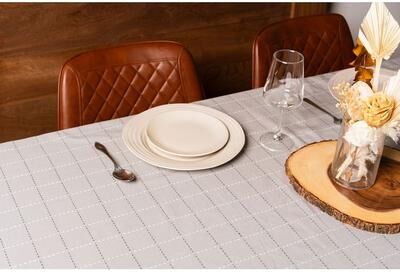
Products related to Fabstyles-Stitches-Table-cloth:

-
Are those stitches?
Yes, those are stitches. Stitches are used to close a wound or incision and promote healing. They are typically made with a special thread and are placed by a healthcare professional. If you have stitches, it's important to follow your healthcare provider's instructions for care and to keep the area clean and protected. **
-
How do I design an efficient table?
To design an efficient table, consider the purpose of the table and the type of data it will hold. Start by identifying the key columns and their data types, and then organize the columns in a logical and intuitive way. Use appropriate data types and constraints to ensure data integrity and optimize storage space. Additionally, consider indexing columns that will be frequently used for searching or sorting to improve query performance. Finally, consider the potential future growth of the table and design it to accommodate scalability. **
-
What are cloth diapers?
Cloth diapers are reusable diapers made of fabric that can be washed and reused multiple times. They are an eco-friendly alternative to disposable diapers and are often made of materials such as cotton, bamboo, or hemp. Cloth diapers come in different styles, including prefold, fitted, and pocket diapers, and can be fastened with snaps, Velcro, or diaper pins. Many parents choose cloth diapers for their cost-effectiveness, environmental benefits, and potential health advantages for babies. **
-
How do I decrease on both sides every 2nd row 1x2 stitches, 2x1 stitches, and every 4th row 2x1 stitches?
To decrease on both sides every 2nd row, 1x2 stitches, you would work the decrease at the beginning and end of the row on every other row. For 2x1 stitches, you would decrease 2 stitches at once at the beginning and end of the row on the following two rows. Finally, for decreasing every 4th row 2x1 stitches, you would work the decrease at the beginning and end of the row on every fourth row, decreasing 1 stitch at a time. This will create a gradual decrease in your knitting project. **
Who knows why the electric sewing machine suddenly makes different stitches?
The electric sewing machine may suddenly make different stitches due to a malfunction in the machine's internal mechanisms or settings. It could be caused by a problem with the tension, the bobbin, or the needle. Additionally, the machine may have been accidentally switched to a different stitch setting or the stitch selection dial may have been bumped or turned. It's important to troubleshoot and check these potential issues to determine the cause of the sudden change in stitches. **
How can you lock stitches?
You can lock stitches by backstitching at the beginning and end of your sewing line. To backstitch, simply sew a few stitches forward, then reverse and sew over the same stitches in the opposite direction. This creates a secure lock at the start and end of your stitching, preventing the thread from unraveling. Another method is to tie a knot at the end of your stitching by hand, using the needle and thread to create a secure knot. **
Top-Angebote
Products related to Fabstyles-Stitches-Table-cloth:
-
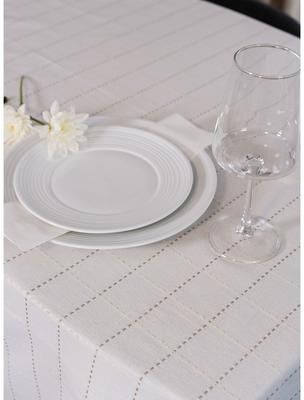
Fabstyles Gingham Check-Table ClothA gingham check tablecloth made from 100% cotton is a classic and timeless addition to any dining setting. The distinctive checkered pattern, typically featuring alternating squares of two colors, adds a touch of rustic charm and simplicity.28,49 $*Shipping: 0,00 $Secure redirect to the provider
-
Search for a table for the number of stitches when knitting a hat.
You can find a table for the number of stitches when knitting a hat by searching for "knitting hat stitch count chart" or "knitting hat size and stitch count guide." These tables typically provide the recommended number of stitches to cast on based on the hat size and the gauge of your knitting. You can also find this information in knitting books or on knitting websites. Make sure to consider the yarn weight and needle size you are using when referencing these tables. **
-
Are these stitches?
Yes, the image shows a close-up of stitches on a piece of fabric. The stitches appear to be evenly spaced and are holding the fabric together. The thread used for the stitches is visible, indicating that they are indeed stitches. **
-
Are those stitches?
Yes, those are stitches. Stitches are used to close a wound or incision and promote healing. They are typically made with a special thread and are placed by a healthcare professional. If you have stitches, it's important to follow your healthcare provider's instructions for care and to keep the area clean and protected. **
-
How do I design an efficient table?
To design an efficient table, consider the purpose of the table and the type of data it will hold. Start by identifying the key columns and their data types, and then organize the columns in a logical and intuitive way. Use appropriate data types and constraints to ensure data integrity and optimize storage space. Additionally, consider indexing columns that will be frequently used for searching or sorting to improve query performance. Finally, consider the potential future growth of the table and design it to accommodate scalability. **
Similar search terms for Fabstyles-Stitches-Table-cloth
-
What are cloth diapers?
Cloth diapers are reusable diapers made of fabric that can be washed and reused multiple times. They are an eco-friendly alternative to disposable diapers and are often made of materials such as cotton, bamboo, or hemp. Cloth diapers come in different styles, including prefold, fitted, and pocket diapers, and can be fastened with snaps, Velcro, or diaper pins. Many parents choose cloth diapers for their cost-effectiveness, environmental benefits, and potential health advantages for babies. **
-
How do I decrease on both sides every 2nd row 1x2 stitches, 2x1 stitches, and every 4th row 2x1 stitches?
To decrease on both sides every 2nd row, 1x2 stitches, you would work the decrease at the beginning and end of the row on every other row. For 2x1 stitches, you would decrease 2 stitches at once at the beginning and end of the row on the following two rows. Finally, for decreasing every 4th row 2x1 stitches, you would work the decrease at the beginning and end of the row on every fourth row, decreasing 1 stitch at a time. This will create a gradual decrease in your knitting project. **
-
Who knows why the electric sewing machine suddenly makes different stitches?
The electric sewing machine may suddenly make different stitches due to a malfunction in the machine's internal mechanisms or settings. It could be caused by a problem with the tension, the bobbin, or the needle. Additionally, the machine may have been accidentally switched to a different stitch setting or the stitch selection dial may have been bumped or turned. It's important to troubleshoot and check these potential issues to determine the cause of the sudden change in stitches. **
-
How can you lock stitches?
You can lock stitches by backstitching at the beginning and end of your sewing line. To backstitch, simply sew a few stitches forward, then reverse and sew over the same stitches in the opposite direction. This creates a secure lock at the start and end of your stitching, preventing the thread from unraveling. Another method is to tie a knot at the end of your stitching by hand, using the needle and thread to create a secure knot. **
* All prices are inclusive of VAT and, if applicable, plus shipping costs. The offer information is based on the details provided by the respective shop and is updated through automated processes. Real-time updates do not occur, so deviations can occur in individual cases. ** Note: Parts of this content were created by AI.