Buy vernermotor.eu ?
We are moving the project
vernermotor.eu .
Are you interested in purchasing the domain
vernermotor.eu ?
domain@kv-gmbh.de · 0541-91531010
Buy vernermotor.eu ?
Which coniferous trees are these?
The coniferous trees in the image are pine trees. Pine trees are characterized by their long, needle-like leaves that grow in clusters and their distinctive pine cones. They are commonly found in temperate regions around the world and are known for their tall, straight trunks and evergreen foliage. **
Please identify a coniferous tree.
One example of a coniferous tree is the pine tree. Pine trees are known for their needle-like leaves and produce cones as their reproductive structures. They are commonly found in forests and are important for providing habitat for wildlife and contributing to the ecosystem. Pine trees are also valued for their wood, which is used in construction and furniture making. **


Similar search terms for Coniferous
Top-Angebote
Products related to Coniferous:
-
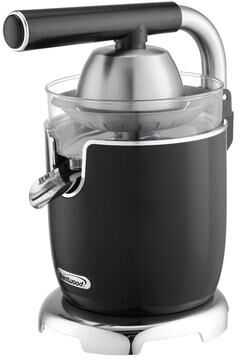
Brentwood Electric Powerful 80 Watt Citrus Juicer in BlackUse the 80w J-26BK Powerful Electric Citrus Juicer to produce healthy and fresh homemade juice from all your favorite citrus fruits. We've included small and large squeezing cones for fruits including oranges, lemons, limes, grapefruits, and more.47,99 $*Shipping: 0,00 $Secure redirect to the provider
-
Brentwood Electric Powerful 200 Watt Citrus Juicer in BlackUse the Powerful 200W Electric Citrus Juicer to produce healthy and fresh homemade juice from all your favorite citrus fruits. We've included small and large squeezing cones for fruits including oranges, lemons, limes, grapefruits, and more.56,49 $*Shipping: 0,00 $Secure redirect to the provider



-
How do coniferous trees reproduce?
Coniferous trees reproduce through the production of cones. These cones contain the tree's seeds, which are released when the cones mature and open. The seeds are then dispersed by wind, animals, or other means, allowing the tree to reproduce and grow in new locations. **
-
Deciduous forest or coniferous forest?
It ultimately depends on personal preference and the specific characteristics of each forest type. Deciduous forests are known for their vibrant fall foliage and diverse wildlife, while coniferous forests are characterized by their evergreen trees and unique ecosystems. Deciduous forests may be preferred for their seasonal changes and variety of tree species, while coniferous forests may be favored for their year-round greenery and potential for winter sports. Both types of forests offer their own beauty and ecological significance. **
-
How do you dispose of branches and twigs from coniferous trees in a coniferous forest?
In a coniferous forest, branches and twigs from coniferous trees can be disposed of through natural processes such as decomposition. Fallen branches and twigs can break down over time, returning nutrients to the soil and providing habitat for various organisms. In some cases, forest management practices may involve chipping or mulching branches and twigs to accelerate decomposition and improve soil health. Additionally, controlled burning may be used in certain situations to manage forest debris and reduce fire risk. **
-
Is this a coniferous wood wheel?
Without more specific information or context, it is difficult to determine if the wood wheel in question is made from coniferous wood. Coniferous wood comes from trees such as pine, spruce, and fir, which are known for their needle-like leaves and cone-bearing fruits. To determine if the wood wheel is made from coniferous wood, one would need to examine the wood closely for characteristics such as resin canals, growth rings, and the presence of knots, which are common in coniferous wood. **

How do you prune a coniferous tree?
To prune a coniferous tree, start by removing any dead, damaged, or diseased branches using sharp, clean pruning shears. Next, selectively prune branches to improve the tree's shape and structure, focusing on removing any crowded or crossing branches. It's important to avoid cutting back into old wood or removing more than 20% of the tree's foliage in one pruning session to prevent stress and damage. Finally, step back periodically to assess the tree's overall appearance and make any final adjustments as needed. **
What symbioses exist in the coniferous forest?
In the coniferous forest, there are several symbiotic relationships that exist. One common example is the mycorrhizal relationship between coniferous trees and fungi. The fungi help the trees absorb essential nutrients from the soil, while the trees provide sugars to the fungi through photosynthesis. Another symbiosis is between coniferous trees and certain animals, such as birds and squirrels, which help disperse the trees' seeds. Additionally, there are symbiotic relationships between different plant species, where certain plants may provide shelter or nutrients to others. **
Top-Angebote
Products related to Coniferous:
-
Discount Dollar Deals Charger For Oral B Electric Toothbrush Replacement Base Adapter Magnetic, Efficient, Reliable, And Compatible us PlugKeep your Oral B iO Series Electric Toothbrush powered up and ready for use with this highquality replacement charger. Designed to perfectly fit and deliver reliable charging, this magnetic charger offers an efficient and hasslefree experience....64,97 $*Shipping: 0,00 $Secure redirect to the provider
-
eufy Fabric Cleaning Brush, Powerful Suction, Efficient Cleaning, Durable, Compatible with E28Compatible with eufy Robot Vacuum Omni E28. Effectively cleans your carpet and fabric furniture with powerful suction and high durability. Easy to replace—no tools needed. Note: To protect your robot vacuum and extend its lifespan, we recommend...12,75 $*Shipping: 0,00 $Secure redirect to the provider
-
Which coniferous trees are these?
The coniferous trees in the image are pine trees. Pine trees are characterized by their long, needle-like leaves that grow in clusters and their distinctive pine cones. They are commonly found in temperate regions around the world and are known for their tall, straight trunks and evergreen foliage. **
-
Please identify a coniferous tree.
One example of a coniferous tree is the pine tree. Pine trees are known for their needle-like leaves and produce cones as their reproductive structures. They are commonly found in forests and are important for providing habitat for wildlife and contributing to the ecosystem. Pine trees are also valued for their wood, which is used in construction and furniture making. **
-
How do coniferous trees reproduce?
Coniferous trees reproduce through the production of cones. These cones contain the tree's seeds, which are released when the cones mature and open. The seeds are then dispersed by wind, animals, or other means, allowing the tree to reproduce and grow in new locations. **
-
Deciduous forest or coniferous forest?
It ultimately depends on personal preference and the specific characteristics of each forest type. Deciduous forests are known for their vibrant fall foliage and diverse wildlife, while coniferous forests are characterized by their evergreen trees and unique ecosystems. Deciduous forests may be preferred for their seasonal changes and variety of tree species, while coniferous forests may be favored for their year-round greenery and potential for winter sports. Both types of forests offer their own beauty and ecological significance. **
Similar search terms for Coniferous
-
Brentwood Electric Powerful 80 Watt Citrus Juicer in BlackUse the 80w J-26BK Powerful Electric Citrus Juicer to produce healthy and fresh homemade juice from all your favorite citrus fruits. We've included small and large squeezing cones for fruits including oranges, lemons, limes, grapefruits, and more.47,99 $*Shipping: 0,00 $Secure redirect to the provider
-
Brentwood Electric Powerful 200 Watt Citrus Juicer in BlackUse the Powerful 200W Electric Citrus Juicer to produce healthy and fresh homemade juice from all your favorite citrus fruits. We've included small and large squeezing cones for fruits including oranges, lemons, limes, grapefruits, and more.56,49 $*Shipping: 0,00 $Secure redirect to the provider
-
Oase OptiMax 5000 Aquarium Pump – Compact, Efficient, and Silent Water Circulation, NewThe Oase OptiMax 5000 Aquarium Pump delivers powerful and reliable water circulation for medium to large aquariums, ensuring optimal oxygenation and a healthy aquatic environment. Built with German engineering , it offers exceptional performance, energy efficiency, and near-silent operation — making it ideal for both freshwater and marine setups. Designed for versatility and durability, the OptiMax 5000 is perfect for continuous use in filtration systems, decorative water features, or as a circulation pump in aquariums and aquascapes. Powerful 5000 L/h flow rate – provides effective water movement and filtration for clear, healthy water. Energy-efficient design – achieves strong performance with minimal power consumption. Extremely quiet operation – ideal for living spaces and indoor aquariums. Compact and robust construction – fits easily into tight spaces within tanks or filter systems. Adjustable flow control – allows precise regulation of water circulation to suit your setup. Versatile use – suitable for both freshwater and saltwater aquariums, as well as indoor water features. Reliable German engineering – built for long-term performance and continuous operation. Safe and easy to maintain – detachable components for effortless cleaning and maintenance. Can be used submerged or externally – adaptable for multiple configurations. The Oase OptiMax 5000 is a high-performance, energy-efficient solution designed to maintain crystal-clear water and optimal circulation — perfect for aquarists who prioritise reliability, quietness, and professional quality. Specification Details Model Oase OptiMax 5000 Type Aquarium / Circulation Pump Maximum Flow Rate 5000 L/h Max Head Height Approx. 3.5 m Power Consumption 85 W Voltage 230 V / 50 Hz Control Adjustable Flow Installation Type Submersible or External Suitable For Freshwater & Saltwater Aquariums Dimensions Approx. 182 × 102 × 120 mm Weight Approx. 1.5 kg Noise Level Extremely Quiet Operation Material Durable, corrosion-resistant housing Cable Length Approx. 2.5 m Country of Origin Germany99,99 £*Shipping: 0,00 £Secure redirect to the provider
-
How do you dispose of branches and twigs from coniferous trees in a coniferous forest?
In a coniferous forest, branches and twigs from coniferous trees can be disposed of through natural processes such as decomposition. Fallen branches and twigs can break down over time, returning nutrients to the soil and providing habitat for various organisms. In some cases, forest management practices may involve chipping or mulching branches and twigs to accelerate decomposition and improve soil health. Additionally, controlled burning may be used in certain situations to manage forest debris and reduce fire risk. **
-
Is this a coniferous wood wheel?
Without more specific information or context, it is difficult to determine if the wood wheel in question is made from coniferous wood. Coniferous wood comes from trees such as pine, spruce, and fir, which are known for their needle-like leaves and cone-bearing fruits. To determine if the wood wheel is made from coniferous wood, one would need to examine the wood closely for characteristics such as resin canals, growth rings, and the presence of knots, which are common in coniferous wood. **
-
How do you prune a coniferous tree?
To prune a coniferous tree, start by removing any dead, damaged, or diseased branches using sharp, clean pruning shears. Next, selectively prune branches to improve the tree's shape and structure, focusing on removing any crowded or crossing branches. It's important to avoid cutting back into old wood or removing more than 20% of the tree's foliage in one pruning session to prevent stress and damage. Finally, step back periodically to assess the tree's overall appearance and make any final adjustments as needed. **
-
What symbioses exist in the coniferous forest?
In the coniferous forest, there are several symbiotic relationships that exist. One common example is the mycorrhizal relationship between coniferous trees and fungi. The fungi help the trees absorb essential nutrients from the soil, while the trees provide sugars to the fungi through photosynthesis. Another symbiosis is between coniferous trees and certain animals, such as birds and squirrels, which help disperse the trees' seeds. Additionally, there are symbiotic relationships between different plant species, where certain plants may provide shelter or nutrients to others. **
* All prices are inclusive of VAT and, if applicable, plus shipping costs. The offer information is based on the details provided by the respective shop and is updated through automated processes. Real-time updates do not occur, so deviations can occur in individual cases. ** Note: Parts of this content were created by AI.