Buy vernermotor.eu ?
We are moving the project
vernermotor.eu .
Are you interested in purchasing the domain
vernermotor.eu ?
domain@kv-gmbh.de · 0541-91531010
Buy vernermotor.eu ?
What is the difference between conditional and conditional?
The question seems to have a typo. It appears to be asking for the difference between "conditional" and "condition." A "conditional" typically refers to something that is dependent on a certain condition or situation, such as an "if-then" statement in programming or a requirement that must be met. On the other hand, a "condition" is the specific circumstance or state that must be satisfied for the conditional to be true or for something to happen. In essence, a condition sets the criteria for a conditional to be applicable or valid. **
What are signal words for Conditional 1 and Conditional 2?
Signal words for Conditional 1 include "if," "when," "unless," and "provided that." These words indicate a possible future condition and its likely result. Signal words for Conditional 2 include "would," "could," "might," and "should." These words suggest a hypothetical or unlikely condition and its potential outcome. **


Similar search terms for Conditional
Top-Angebote
Products related to Conditional:
-
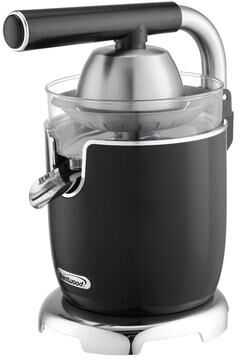
Brentwood Electric Powerful 80 Watt Citrus Juicer in BlackUse the 80w J-26BK Powerful Electric Citrus Juicer to produce healthy and fresh homemade juice from all your favorite citrus fruits. We've included small and large squeezing cones for fruits including oranges, lemons, limes, grapefruits, and more.47,99 $*Shipping: 0,00 $Secure redirect to the provider
-
Brentwood Electric Powerful 200 Watt Citrus Juicer in BlackUse the Powerful 200W Electric Citrus Juicer to produce healthy and fresh homemade juice from all your favorite citrus fruits. We've included small and large squeezing cones for fruits including oranges, lemons, limes, grapefruits, and more.56,49 $*Shipping: 0,00 $Secure redirect to the provider



-
Is the conditional 1 the same as the conditional present?
Yes, the conditional 1 is the same as the conditional present. In English grammar, the conditional 1 is used to talk about hypothetical situations and their possible outcomes in the present or future. It is formed by using the auxiliary verb "would" followed by the base form of the main verb. This is the same structure used for the conditional present tense, making them essentially the same tense with different names. **
-
What is conditional formatting?
Conditional formatting is a feature in spreadsheet applications that allows users to apply formatting rules to cells based on specific conditions. This feature helps users to visually highlight important information, trends, or outliers in their data. For example, users can set up rules to automatically change the color of cells that meet certain criteria, such as values above a certain threshold. Conditional formatting helps to make data analysis easier and more efficient by drawing attention to key insights. **
-
Conditional, subjunctive or indicative?
The choice between conditional, subjunctive, or indicative mood depends on the context of the sentence. The conditional mood is used to express a hypothetical situation or a condition that is dependent on something else happening. The subjunctive mood is used to express wishes, recommendations, or possibilities. The indicative mood is used to state facts or ask questions. **
-
What does the Conditional express?
The Conditional expresses a situation or action that is dependent on another situation or action. It is used to talk about hypothetical or possible events in the future, and it often involves the use of the words "if" or "when." The Conditional helps to convey the idea of cause and effect, and it allows us to discuss potential outcomes based on certain conditions being met. **

How is the conditional formed?
The conditional in English is formed by using the modal verb "would" followed by the base form of the main verb. For example, "I would go" or "She would study." The conditional is used to talk about hypothetical situations, future possibilities, or polite requests. It is important to note that the conditional is often used with an "if" clause to show the condition that must be met for the action to take place. **
How are conditional probabilities calculated?
Conditional probabilities are calculated by dividing the probability of the intersection of two events by the probability of the given condition. This can be expressed as P(A|B) = P(A and B) / P(B), where P(A|B) is the conditional probability of event A given event B has occurred, P(A and B) is the probability of both events A and B occurring, and P(B) is the probability of event B occurring. This formula allows us to calculate the likelihood of one event occurring given that another event has already occurred. **
Top-Angebote
Products related to Conditional:
-
Discount Dollar Deals Charger For Oral B Electric Toothbrush Replacement Base Adapter Magnetic, Efficient, Reliable, And Compatible us PlugKeep your Oral B iO Series Electric Toothbrush powered up and ready for use with this highquality replacement charger. Designed to perfectly fit and deliver reliable charging, this magnetic charger offers an efficient and hasslefree experience....64,97 $*Shipping: 0,00 $Secure redirect to the provider
-
eufy Fabric Cleaning Brush, Powerful Suction, Efficient Cleaning, Durable, Compatible with E28Compatible with eufy Robot Vacuum Omni E28. Effectively cleans your carpet and fabric furniture with powerful suction and high durability. Easy to replace—no tools needed. Note: To protect your robot vacuum and extend its lifespan, we recommend...16,99 $*Shipping: 0,00 $Secure redirect to the provider
-
What is the difference between conditional and conditional?
The question seems to have a typo. It appears to be asking for the difference between "conditional" and "condition." A "conditional" typically refers to something that is dependent on a certain condition or situation, such as an "if-then" statement in programming or a requirement that must be met. On the other hand, a "condition" is the specific circumstance or state that must be satisfied for the conditional to be true or for something to happen. In essence, a condition sets the criteria for a conditional to be applicable or valid. **
-
What are signal words for Conditional 1 and Conditional 2?
Signal words for Conditional 1 include "if," "when," "unless," and "provided that." These words indicate a possible future condition and its likely result. Signal words for Conditional 2 include "would," "could," "might," and "should." These words suggest a hypothetical or unlikely condition and its potential outcome. **
-
Is the conditional 1 the same as the conditional present?
Yes, the conditional 1 is the same as the conditional present. In English grammar, the conditional 1 is used to talk about hypothetical situations and their possible outcomes in the present or future. It is formed by using the auxiliary verb "would" followed by the base form of the main verb. This is the same structure used for the conditional present tense, making them essentially the same tense with different names. **
-
What is conditional formatting?
Conditional formatting is a feature in spreadsheet applications that allows users to apply formatting rules to cells based on specific conditions. This feature helps users to visually highlight important information, trends, or outliers in their data. For example, users can set up rules to automatically change the color of cells that meet certain criteria, such as values above a certain threshold. Conditional formatting helps to make data analysis easier and more efficient by drawing attention to key insights. **
Similar search terms for Conditional
-
Brentwood Electric Powerful 80 Watt Citrus Juicer in BlackUse the 80w J-26BK Powerful Electric Citrus Juicer to produce healthy and fresh homemade juice from all your favorite citrus fruits. We've included small and large squeezing cones for fruits including oranges, lemons, limes, grapefruits, and more.47,99 $*Shipping: 0,00 $Secure redirect to the provider
-
Brentwood Electric Powerful 200 Watt Citrus Juicer in BlackUse the Powerful 200W Electric Citrus Juicer to produce healthy and fresh homemade juice from all your favorite citrus fruits. We've included small and large squeezing cones for fruits including oranges, lemons, limes, grapefruits, and more.56,49 $*Shipping: 0,00 $Secure redirect to the provider
-
Oase OptiMax 5000 Aquarium Pump – Compact, Efficient, and Silent Water Circulation, NewThe Oase OptiMax 5000 Aquarium Pump delivers powerful and reliable water circulation for medium to large aquariums, ensuring optimal oxygenation and a healthy aquatic environment. Built with German engineering , it offers exceptional performance, energy efficiency, and near-silent operation — making it ideal for both freshwater and marine setups. Designed for versatility and durability, the OptiMax 5000 is perfect for continuous use in filtration systems, decorative water features, or as a circulation pump in aquariums and aquascapes. Powerful 5000 L/h flow rate – provides effective water movement and filtration for clear, healthy water. Energy-efficient design – achieves strong performance with minimal power consumption. Extremely quiet operation – ideal for living spaces and indoor aquariums. Compact and robust construction – fits easily into tight spaces within tanks or filter systems. Adjustable flow control – allows precise regulation of water circulation to suit your setup. Versatile use – suitable for both freshwater and saltwater aquariums, as well as indoor water features. Reliable German engineering – built for long-term performance and continuous operation. Safe and easy to maintain – detachable components for effortless cleaning and maintenance. Can be used submerged or externally – adaptable for multiple configurations. The Oase OptiMax 5000 is a high-performance, energy-efficient solution designed to maintain crystal-clear water and optimal circulation — perfect for aquarists who prioritise reliability, quietness, and professional quality. Specification Details Model Oase OptiMax 5000 Type Aquarium / Circulation Pump Maximum Flow Rate 5000 L/h Max Head Height Approx. 3.5 m Power Consumption 85 W Voltage 230 V / 50 Hz Control Adjustable Flow Installation Type Submersible or External Suitable For Freshwater & Saltwater Aquariums Dimensions Approx. 182 × 102 × 120 mm Weight Approx. 1.5 kg Noise Level Extremely Quiet Operation Material Durable, corrosion-resistant housing Cable Length Approx. 2.5 m Country of Origin Germany99,99 £*Shipping: 0,00 £Secure redirect to the provider
-
Conditional, subjunctive or indicative?
The choice between conditional, subjunctive, or indicative mood depends on the context of the sentence. The conditional mood is used to express a hypothetical situation or a condition that is dependent on something else happening. The subjunctive mood is used to express wishes, recommendations, or possibilities. The indicative mood is used to state facts or ask questions. **
-
What does the Conditional express?
The Conditional expresses a situation or action that is dependent on another situation or action. It is used to talk about hypothetical or possible events in the future, and it often involves the use of the words "if" or "when." The Conditional helps to convey the idea of cause and effect, and it allows us to discuss potential outcomes based on certain conditions being met. **
-
How is the conditional formed?
The conditional in English is formed by using the modal verb "would" followed by the base form of the main verb. For example, "I would go" or "She would study." The conditional is used to talk about hypothetical situations, future possibilities, or polite requests. It is important to note that the conditional is often used with an "if" clause to show the condition that must be met for the action to take place. **
-
How are conditional probabilities calculated?
Conditional probabilities are calculated by dividing the probability of the intersection of two events by the probability of the given condition. This can be expressed as P(A|B) = P(A and B) / P(B), where P(A|B) is the conditional probability of event A given event B has occurred, P(A and B) is the probability of both events A and B occurring, and P(B) is the probability of event B occurring. This formula allows us to calculate the likelihood of one event occurring given that another event has already occurred. **
* All prices are inclusive of VAT and, if applicable, plus shipping costs. The offer information is based on the details provided by the respective shop and is updated through automated processes. Real-time updates do not occur, so deviations can occur in individual cases. ** Note: Parts of this content were created by AI.