Buy vernermotor.eu ?
We are moving the project
vernermotor.eu .
Are you interested in purchasing the domain
vernermotor.eu ?
domain@kv-gmbh.de · 0541-91531010
Buy vernermotor.eu ?
Why is Charlemagne called Charlemagne?
Charlemagne is called Charlemagne because it is the French translation of his original name, Carolus Magnus, which means Charles the Great in Latin. He was a powerful and influential ruler of the Carolingian Empire, and his reign had a significant impact on European history. The name Charlemagne has become synonymous with his legacy as a great military leader, statesman, and supporter of the arts and education during the early Middle Ages. **
How did Charlemagne travel?
Charlemagne traveled primarily on horseback or by carriage, as these were the most common modes of transportation during the early Middle Ages. He also used boats to navigate rivers and seas when necessary. Charlemagne's extensive network of roads, known as the "King's Roads," facilitated his travel throughout his vast empire. Additionally, he had a team of messengers and couriers who would travel ahead to prepare for his arrival and ensure his safety during his journeys. **


Similar search terms for Charlemagne
Top-Angebote
Products related to Charlemagne:
-
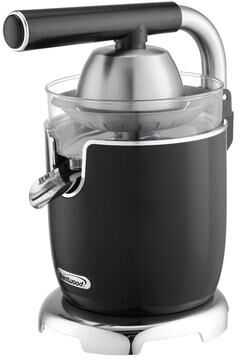
Brentwood Electric Powerful 80 Watt Citrus Juicer in BlackUse the 80w J-26BK Powerful Electric Citrus Juicer to produce healthy and fresh homemade juice from all your favorite citrus fruits. We've included small and large squeezing cones for fruits including oranges, lemons, limes, grapefruits, and more.47,99 $*Shipping: 0,00 $Secure redirect to the provider




-
What was Charlemagne exactly?
Charlemagne, also known as Charles the Great, was a medieval ruler who became the first Holy Roman Emperor in 800 AD. He was the King of the Franks and expanded his kingdom to become the ruler of a vast empire that covered much of Western Europe. Charlemagne is remembered for his military conquests, his efforts to promote education and culture, and his role in the spread of Christianity. He is considered one of the most important figures in European history and is often referred to as the "Father of Europe." **
-
Has Charlemagne deserved his name?
Yes, Charlemagne has deserved his name as "Charles the Great" due to his significant achievements and impact on European history. He expanded the Frankish kingdom into a vast empire, promoting cultural and intellectual growth through his support of education and the arts. He also played a crucial role in the spread of Christianity and the establishment of the Holy Roman Empire. His military conquests and political leadership solidified his reputation as a great ruler, earning him the title of Charlemagne. **
-
How can one abbreviate Charlemagne?
One can abbreviate Charlemagne as "Charl." or "Ch." for short. These abbreviations are commonly used in historical texts and academic literature to refer to the famous medieval emperor. **
-
Why did Charlemagne travel so much?
Charlemagne traveled extensively to maintain control over his vast empire, which stretched across modern-day France, Germany, and parts of Italy. He believed that it was important to personally oversee the administration of his territories, enforce his laws, and ensure the loyalty of his subjects. Additionally, Charlemagne traveled to lead military campaigns against external threats and to negotiate alliances with neighboring kingdoms. His frequent travels also allowed him to stay informed about local issues and to project his power and authority throughout his realm. **

Do all Europeans descend from Charlemagne?
No, not all Europeans descend from Charlemagne. While Charlemagne had many children and descendants, the population of Europe is vast and diverse, with many different ancestral lineages. It is estimated that Charlemagne has millions of living descendants today, but not everyone in Europe can trace their ancestry back to him. Ancestral lineage is complex and varied, and it is unlikely that all Europeans share a direct descent from Charlemagne. **
What were the court offices of Charlemagne?
Charlemagne's court offices included the chancellor, who was responsible for drafting and authenticating documents; the chamberlain, who managed the royal household and treasury; the seneschal, who oversaw the administration of justice and the royal estates; and the marshal, who was in charge of the military. These officials played crucial roles in maintaining order and managing the affairs of the Carolingian Empire under Charlemagne's rule. **
Top-Angebote
Products related to Charlemagne:
-
Discount Dollar Deals Charger For Oral B Electric Toothbrush Replacement Base Adapter Magnetic, Efficient, Reliable, And Compatible us PlugKeep your Oral B iO Series Electric Toothbrush powered up and ready for use with this highquality replacement charger. Designed to perfectly fit and deliver reliable charging, this magnetic charger offers an efficient and hasslefree experience....64,97 $*Shipping: 0,00 $Secure redirect to the provider
-
eufy Fabric Cleaning Brush, Powerful Suction, Efficient Cleaning, Durable, Compatible with E28Compatible with eufy Robot Vacuum Omni E28. Effectively cleans your carpet and fabric furniture with powerful suction and high durability. Easy to replace—no tools needed. Note: To protect your robot vacuum and extend its lifespan, we recommend...12,75 $*Shipping: 0,00 $Secure redirect to the provider
-
Why is Charlemagne called Charlemagne?
Charlemagne is called Charlemagne because it is the French translation of his original name, Carolus Magnus, which means Charles the Great in Latin. He was a powerful and influential ruler of the Carolingian Empire, and his reign had a significant impact on European history. The name Charlemagne has become synonymous with his legacy as a great military leader, statesman, and supporter of the arts and education during the early Middle Ages. **
-
How did Charlemagne travel?
Charlemagne traveled primarily on horseback or by carriage, as these were the most common modes of transportation during the early Middle Ages. He also used boats to navigate rivers and seas when necessary. Charlemagne's extensive network of roads, known as the "King's Roads," facilitated his travel throughout his vast empire. Additionally, he had a team of messengers and couriers who would travel ahead to prepare for his arrival and ensure his safety during his journeys. **
-
What was Charlemagne exactly?
Charlemagne, also known as Charles the Great, was a medieval ruler who became the first Holy Roman Emperor in 800 AD. He was the King of the Franks and expanded his kingdom to become the ruler of a vast empire that covered much of Western Europe. Charlemagne is remembered for his military conquests, his efforts to promote education and culture, and his role in the spread of Christianity. He is considered one of the most important figures in European history and is often referred to as the "Father of Europe." **
-
Has Charlemagne deserved his name?
Yes, Charlemagne has deserved his name as "Charles the Great" due to his significant achievements and impact on European history. He expanded the Frankish kingdom into a vast empire, promoting cultural and intellectual growth through his support of education and the arts. He also played a crucial role in the spread of Christianity and the establishment of the Holy Roman Empire. His military conquests and political leadership solidified his reputation as a great ruler, earning him the title of Charlemagne. **
Similar search terms for Charlemagne
-
Brentwood Electric Powerful 80 Watt Citrus Juicer in BlackUse the 80w J-26BK Powerful Electric Citrus Juicer to produce healthy and fresh homemade juice from all your favorite citrus fruits. We've included small and large squeezing cones for fruits including oranges, lemons, limes, grapefruits, and more.47,99 $*Shipping: 0,00 $Secure redirect to the provider
-
Brentwood Electric Powerful 200 Watt Citrus Juicer in BlackUse the Powerful 200W Electric Citrus Juicer to produce healthy and fresh homemade juice from all your favorite citrus fruits. We've included small and large squeezing cones for fruits including oranges, lemons, limes, grapefruits, and more.56,49 $*Shipping: 0,00 $Secure redirect to the provider
-
Oase OptiMax 5000 Aquarium Pump – Compact, Efficient, and Silent Water Circulation, NewThe Oase OptiMax 5000 Aquarium Pump delivers powerful and reliable water circulation for medium to large aquariums, ensuring optimal oxygenation and a healthy aquatic environment. Built with German engineering , it offers exceptional performance, energy efficiency, and near-silent operation — making it ideal for both freshwater and marine setups. Designed for versatility and durability, the OptiMax 5000 is perfect for continuous use in filtration systems, decorative water features, or as a circulation pump in aquariums and aquascapes. Powerful 5000 L/h flow rate – provides effective water movement and filtration for clear, healthy water. Energy-efficient design – achieves strong performance with minimal power consumption. Extremely quiet operation – ideal for living spaces and indoor aquariums. Compact and robust construction – fits easily into tight spaces within tanks or filter systems. Adjustable flow control – allows precise regulation of water circulation to suit your setup. Versatile use – suitable for both freshwater and saltwater aquariums, as well as indoor water features. Reliable German engineering – built for long-term performance and continuous operation. Safe and easy to maintain – detachable components for effortless cleaning and maintenance. Can be used submerged or externally – adaptable for multiple configurations. The Oase OptiMax 5000 is a high-performance, energy-efficient solution designed to maintain crystal-clear water and optimal circulation — perfect for aquarists who prioritise reliability, quietness, and professional quality. Specification Details Model Oase OptiMax 5000 Type Aquarium / Circulation Pump Maximum Flow Rate 5000 L/h Max Head Height Approx. 3.5 m Power Consumption 85 W Voltage 230 V / 50 Hz Control Adjustable Flow Installation Type Submersible or External Suitable For Freshwater & Saltwater Aquariums Dimensions Approx. 182 × 102 × 120 mm Weight Approx. 1.5 kg Noise Level Extremely Quiet Operation Material Durable, corrosion-resistant housing Cable Length Approx. 2.5 m Country of Origin Germany99,99 £*Shipping: 0,00 £Secure redirect to the provider
-
How can one abbreviate Charlemagne?
One can abbreviate Charlemagne as "Charl." or "Ch." for short. These abbreviations are commonly used in historical texts and academic literature to refer to the famous medieval emperor. **
-
Why did Charlemagne travel so much?
Charlemagne traveled extensively to maintain control over his vast empire, which stretched across modern-day France, Germany, and parts of Italy. He believed that it was important to personally oversee the administration of his territories, enforce his laws, and ensure the loyalty of his subjects. Additionally, Charlemagne traveled to lead military campaigns against external threats and to negotiate alliances with neighboring kingdoms. His frequent travels also allowed him to stay informed about local issues and to project his power and authority throughout his realm. **
-
Do all Europeans descend from Charlemagne?
No, not all Europeans descend from Charlemagne. While Charlemagne had many children and descendants, the population of Europe is vast and diverse, with many different ancestral lineages. It is estimated that Charlemagne has millions of living descendants today, but not everyone in Europe can trace their ancestry back to him. Ancestral lineage is complex and varied, and it is unlikely that all Europeans share a direct descent from Charlemagne. **
-
What were the court offices of Charlemagne?
Charlemagne's court offices included the chancellor, who was responsible for drafting and authenticating documents; the chamberlain, who managed the royal household and treasury; the seneschal, who oversaw the administration of justice and the royal estates; and the marshal, who was in charge of the military. These officials played crucial roles in maintaining order and managing the affairs of the Carolingian Empire under Charlemagne's rule. **
* All prices are inclusive of VAT and, if applicable, plus shipping costs. The offer information is based on the details provided by the respective shop and is updated through automated processes. Real-time updates do not occur, so deviations can occur in individual cases. ** Note: Parts of this content were created by AI.