Buy vernermotor.eu ?
We are moving the project
vernermotor.eu .
Are you interested in purchasing the domain
vernermotor.eu ?
domain@kv-gmbh.de · 0541-91531010
Buy vernermotor.eu ?
Can veins arteries burst?
Yes, both veins and arteries can burst under certain circumstances. Arteries are more likely to burst due to their higher pressure and thicker walls compared to veins. When an artery bursts, it can lead to severe bleeding and potentially life-threatening situations. Veins can also burst, usually due to trauma or injury, but the bleeding is typically less severe compared to an arterial rupture. **
What do arteries transport?
Arteries transport oxygenated blood from the heart to the rest of the body. They also carry nutrients and other essential substances to the tissues and organs. The walls of arteries are thick and muscular, allowing them to withstand the high pressure of blood being pumped from the heart. Overall, arteries play a crucial role in maintaining the circulation of oxygen and nutrients throughout the body. **


Similar search terms for Arteries
Top-Angebote
Products related to Arteries:
-
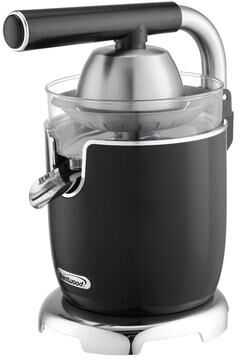
Brentwood Electric Powerful 80 Watt Citrus Juicer in BlackUse the 80w J-26BK Powerful Electric Citrus Juicer to produce healthy and fresh homemade juice from all your favorite citrus fruits. We've included small and large squeezing cones for fruits including oranges, lemons, limes, grapefruits, and more.47,99 $*Shipping: 0,00 $Secure redirect to the provider



-
Where are vital arteries located?
Vital arteries are located throughout the body and are responsible for carrying oxygen-rich blood away from the heart to various tissues and organs. Some of the major vital arteries include the aorta, which is the largest artery in the body and carries blood from the heart to the rest of the body, and the carotid arteries, which supply blood to the brain. Other vital arteries can be found in the arms, legs, and abdomen, ensuring that all parts of the body receive the necessary nutrients and oxygen for proper functioning. **
-
Can veins and arteries burst?
Yes, veins and arteries can burst under certain circumstances. Arteries are more likely to burst due to their higher pressure and thicker walls. When an artery bursts, it can lead to severe bleeding and potentially life-threatening situations. Veins can also burst, usually due to trauma or injury, and can result in significant bleeding as well. It is important to seek medical attention immediately if a vein or artery bursts to prevent further complications. **
-
Do liquids clog the arteries?
Liquids themselves do not clog arteries. However, consuming certain types of liquids, such as those high in saturated fats or cholesterol, can contribute to the buildup of plaque in the arteries, leading to a condition known as atherosclerosis. This can eventually lead to the narrowing or blockage of arteries, restricting blood flow and increasing the risk of heart disease and stroke. It is important to maintain a healthy diet and lifestyle to prevent the buildup of plaque in the arteries. **
-
What are veins or arteries?
Veins and arteries are both types of blood vessels that form part of the circulatory system. Arteries carry oxygenated blood away from the heart to the rest of the body, while veins carry deoxygenated blood back to the heart. Arteries have thicker, more muscular walls to withstand the high pressure of blood being pumped from the heart, while veins have thinner walls and contain valves to prevent the backflow of blood. Both veins and arteries play crucial roles in maintaining the circulation of blood throughout the body. **

Where are the vital arteries located?
The vital arteries are located throughout the body, serving as the main blood vessels that carry oxygen-rich blood away from the heart to various tissues and organs. Some of the key vital arteries include the aorta, which is the largest artery in the body and carries blood from the heart to the rest of the body, and the carotid arteries, which supply blood to the brain. Other vital arteries include the coronary arteries that supply blood to the heart muscle and the femoral arteries in the thighs. **
How do arteries and veins differ?
Arteries and veins differ in their structure and function. Arteries carry oxygenated blood away from the heart to the rest of the body, while veins carry deoxygenated blood back to the heart. Arteries have thick, muscular walls to withstand the high pressure of blood pumped by the heart, while veins have thinner walls and contain valves to prevent backflow of blood. Additionally, arteries typically have a pulse due to the rhythmic contractions of the heart, while veins do not exhibit this pulsation. **
Top-Angebote
Products related to Arteries:
-
Discount Dollar Deals Charger For Oral B Electric Toothbrush Replacement Base Adapter Magnetic, Efficient, Reliable, And Compatible us PlugKeep your Oral B iO Series Electric Toothbrush powered up and ready for use with this highquality replacement charger. Designed to perfectly fit and deliver reliable charging, this magnetic charger offers an efficient and hasslefree experience....64,97 $*Shipping: 0,00 $Secure redirect to the provider
-
eufy Fabric Cleaning Brush, Powerful Suction, Efficient Cleaning, Durable, Compatible with E28Compatible with eufy Robot Vacuum Omni E28. Effectively cleans your carpet and fabric furniture with powerful suction and high durability. Easy to replace—no tools needed. Note: To protect your robot vacuum and extend its lifespan, we recommend...12,75 $*Shipping: 0,00 $Secure redirect to the provider
-
Can veins arteries burst?
Yes, both veins and arteries can burst under certain circumstances. Arteries are more likely to burst due to their higher pressure and thicker walls compared to veins. When an artery bursts, it can lead to severe bleeding and potentially life-threatening situations. Veins can also burst, usually due to trauma or injury, but the bleeding is typically less severe compared to an arterial rupture. **
-
What do arteries transport?
Arteries transport oxygenated blood from the heart to the rest of the body. They also carry nutrients and other essential substances to the tissues and organs. The walls of arteries are thick and muscular, allowing them to withstand the high pressure of blood being pumped from the heart. Overall, arteries play a crucial role in maintaining the circulation of oxygen and nutrients throughout the body. **
-
Where are vital arteries located?
Vital arteries are located throughout the body and are responsible for carrying oxygen-rich blood away from the heart to various tissues and organs. Some of the major vital arteries include the aorta, which is the largest artery in the body and carries blood from the heart to the rest of the body, and the carotid arteries, which supply blood to the brain. Other vital arteries can be found in the arms, legs, and abdomen, ensuring that all parts of the body receive the necessary nutrients and oxygen for proper functioning. **
-
Can veins and arteries burst?
Yes, veins and arteries can burst under certain circumstances. Arteries are more likely to burst due to their higher pressure and thicker walls. When an artery bursts, it can lead to severe bleeding and potentially life-threatening situations. Veins can also burst, usually due to trauma or injury, and can result in significant bleeding as well. It is important to seek medical attention immediately if a vein or artery bursts to prevent further complications. **
Similar search terms for Arteries
-
Brentwood Electric Powerful 80 Watt Citrus Juicer in BlackUse the 80w J-26BK Powerful Electric Citrus Juicer to produce healthy and fresh homemade juice from all your favorite citrus fruits. We've included small and large squeezing cones for fruits including oranges, lemons, limes, grapefruits, and more.47,99 $*Shipping: 0,00 $Secure redirect to the provider
-
Brentwood Electric Powerful 200 Watt Citrus Juicer in BlackUse the Powerful 200W Electric Citrus Juicer to produce healthy and fresh homemade juice from all your favorite citrus fruits. We've included small and large squeezing cones for fruits including oranges, lemons, limes, grapefruits, and more.56,49 $*Shipping: 0,00 $Secure redirect to the provider
-
Oase OptiMax 5000 Aquarium Pump – Compact, Efficient, and Silent Water Circulation, NewThe Oase OptiMax 5000 Aquarium Pump delivers powerful and reliable water circulation for medium to large aquariums, ensuring optimal oxygenation and a healthy aquatic environment. Built with German engineering , it offers exceptional performance, energy efficiency, and near-silent operation — making it ideal for both freshwater and marine setups. Designed for versatility and durability, the OptiMax 5000 is perfect for continuous use in filtration systems, decorative water features, or as a circulation pump in aquariums and aquascapes. Powerful 5000 L/h flow rate – provides effective water movement and filtration for clear, healthy water. Energy-efficient design – achieves strong performance with minimal power consumption. Extremely quiet operation – ideal for living spaces and indoor aquariums. Compact and robust construction – fits easily into tight spaces within tanks or filter systems. Adjustable flow control – allows precise regulation of water circulation to suit your setup. Versatile use – suitable for both freshwater and saltwater aquariums, as well as indoor water features. Reliable German engineering – built for long-term performance and continuous operation. Safe and easy to maintain – detachable components for effortless cleaning and maintenance. Can be used submerged or externally – adaptable for multiple configurations. The Oase OptiMax 5000 is a high-performance, energy-efficient solution designed to maintain crystal-clear water and optimal circulation — perfect for aquarists who prioritise reliability, quietness, and professional quality. Specification Details Model Oase OptiMax 5000 Type Aquarium / Circulation Pump Maximum Flow Rate 5000 L/h Max Head Height Approx. 3.5 m Power Consumption 85 W Voltage 230 V / 50 Hz Control Adjustable Flow Installation Type Submersible or External Suitable For Freshwater & Saltwater Aquariums Dimensions Approx. 182 × 102 × 120 mm Weight Approx. 1.5 kg Noise Level Extremely Quiet Operation Material Durable, corrosion-resistant housing Cable Length Approx. 2.5 m Country of Origin Germany99,99 £*Shipping: 0,00 £Secure redirect to the provider
-
Do liquids clog the arteries?
Liquids themselves do not clog arteries. However, consuming certain types of liquids, such as those high in saturated fats or cholesterol, can contribute to the buildup of plaque in the arteries, leading to a condition known as atherosclerosis. This can eventually lead to the narrowing or blockage of arteries, restricting blood flow and increasing the risk of heart disease and stroke. It is important to maintain a healthy diet and lifestyle to prevent the buildup of plaque in the arteries. **
-
What are veins or arteries?
Veins and arteries are both types of blood vessels that form part of the circulatory system. Arteries carry oxygenated blood away from the heart to the rest of the body, while veins carry deoxygenated blood back to the heart. Arteries have thicker, more muscular walls to withstand the high pressure of blood being pumped from the heart, while veins have thinner walls and contain valves to prevent the backflow of blood. Both veins and arteries play crucial roles in maintaining the circulation of blood throughout the body. **
-
Where are the vital arteries located?
The vital arteries are located throughout the body, serving as the main blood vessels that carry oxygen-rich blood away from the heart to various tissues and organs. Some of the key vital arteries include the aorta, which is the largest artery in the body and carries blood from the heart to the rest of the body, and the carotid arteries, which supply blood to the brain. Other vital arteries include the coronary arteries that supply blood to the heart muscle and the femoral arteries in the thighs. **
-
How do arteries and veins differ?
Arteries and veins differ in their structure and function. Arteries carry oxygenated blood away from the heart to the rest of the body, while veins carry deoxygenated blood back to the heart. Arteries have thick, muscular walls to withstand the high pressure of blood pumped by the heart, while veins have thinner walls and contain valves to prevent backflow of blood. Additionally, arteries typically have a pulse due to the rhythmic contractions of the heart, while veins do not exhibit this pulsation. **
* All prices are inclusive of VAT and, if applicable, plus shipping costs. The offer information is based on the details provided by the respective shop and is updated through automated processes. Real-time updates do not occur, so deviations can occur in individual cases. ** Note: Parts of this content were created by AI.