Buy vernermotor.eu ?
We are moving the project
vernermotor.eu .
Are you interested in purchasing the domain
vernermotor.eu ?
domain@kv-gmbh.de · 0541-91531010
Buy vernermotor.eu ?
What is the replication origin in DNA replication?
The replication origin is a specific sequence of DNA where the process of DNA replication begins. It is the site where the two strands of the DNA double helix are separated and the replication machinery is assembled. The replication origin is recognized by specific proteins that initiate the unwinding of the DNA and the synthesis of new DNA strands. Each DNA molecule has multiple replication origins to ensure that the entire genome is replicated efficiently. **
What is semiconservative replication?
Semiconservative replication is the process by which DNA is copied during cell division. In this process, the two strands of the DNA double helix separate, and each strand serves as a template for the synthesis of a new complementary strand. As a result, each new DNA molecule contains one original strand and one newly synthesized strand. This ensures that the genetic information is preserved and passed on to the next generation of cells. This process was first proposed by James Watson and Francis Crick in 1953. **


Similar search terms for Replication
Top-Angebote
Products related to Replication:
-
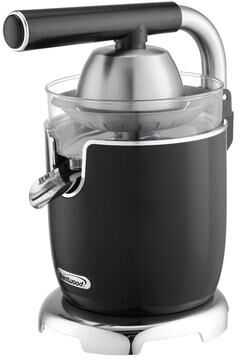
Brentwood Electric Powerful 80 Watt Citrus Juicer in BlackUse the 80w J-26BK Powerful Electric Citrus Juicer to produce healthy and fresh homemade juice from all your favorite citrus fruits. We've included small and large squeezing cones for fruits including oranges, lemons, limes, grapefruits, and more.47,99 $*Shipping: 0,00 $Secure redirect to the provider
-
Brentwood Electric Powerful 200 Watt Citrus Juicer in BlackUse the Powerful 200W Electric Citrus Juicer to produce healthy and fresh homemade juice from all your favorite citrus fruits. We've included small and large squeezing cones for fruits including oranges, lemons, limes, grapefruits, and more.56,49 $*Shipping: 0,00 $Secure redirect to the provider



-
What is DNA replication?
DNA replication is the process by which a cell makes an identical copy of its DNA. This process is essential for cell division and the transmission of genetic information from one generation to the next. It involves the unwinding of the DNA double helix, the synthesis of new complementary strands using the existing strands as templates, and the proofreading and correction of any errors. DNA replication ensures that each new cell receives a complete and accurate set of genetic instructions. **
-
What is RNA self-replication?
RNA self-replication is a process where RNA molecules are able to catalyze their own replication without the need for external enzymes. This ability is crucial for the early evolution of life on Earth, as it is believed to be a key step in the transition from prebiotic chemistry to the emergence of life. RNA self-replication involves the RNA molecule acting as both a template and an enzyme, allowing it to make copies of itself. This process is a fundamental aspect of the RNA world hypothesis, which suggests that RNA played a central role in the origin of life. **
-
What is a replication bubble?
A replication bubble is a region of DNA where the double helix has been unwound and separated to allow for DNA replication to occur. It is formed by the action of helicase enzymes that unwind the DNA strands, creating two single-stranded templates for the replication process. The replication bubble expands as the replication machinery moves along the DNA, synthesizing new strands of DNA. Replication bubbles are a key feature of DNA replication and allow for the efficient and accurate copying of genetic information. **
-
How does DNA replication occur?
DNA replication occurs in a semi-conservative manner, where the two strands of the double helix are separated and each strand serves as a template for the synthesis of a new complementary strand. The enzyme helicase unwinds the double helix, creating two single strands. DNA polymerase then adds new nucleotides to each single strand, following the base-pairing rules (A with T, and C with G). This results in two identical double-stranded DNA molecules, each containing one original strand and one newly synthesized strand. **

Where does DNA replication occur?
DNA replication occurs in the nucleus of eukaryotic cells and in the cytoplasm of prokaryotic cells. In eukaryotic cells, DNA replication takes place during the S phase of the cell cycle, when the DNA is duplicated to ensure that each daughter cell receives a complete set of genetic information. The process involves the unwinding of the DNA double helix, the synthesis of new DNA strands using existing strands as templates, and the proofreading and correction of errors. Overall, DNA replication is a fundamental process that ensures the accurate transmission of genetic information from one generation to the next. **
How does semiconservative DNA replication occur?
Semiconservative DNA replication occurs in the following way: the double-stranded DNA molecule unwinds and separates into two strands. Each separated strand serves as a template for the synthesis of a new complementary strand. Enzymes called DNA polymerases add nucleotides to the new strands based on the complementary base pairing rules (A with T, C with G). As a result, two identical DNA molecules are produced, each consisting of one original strand and one newly synthesized strand. This process ensures that genetic information is faithfully passed on to daughter cells during cell division. **
Top-Angebote
Products related to Replication:
-
Discount Dollar Deals Charger For Oral B Electric Toothbrush Replacement Base Adapter Magnetic, Efficient, Reliable, And Compatible us PlugKeep your Oral B iO Series Electric Toothbrush powered up and ready for use with this highquality replacement charger. Designed to perfectly fit and deliver reliable charging, this magnetic charger offers an efficient and hasslefree experience....64,97 $*Shipping: 0,00 $Secure redirect to the provider
-
eufy Fabric Cleaning Brush, Powerful Suction, Efficient Cleaning, Durable, Compatible with E28Compatible with eufy Robot Vacuum Omni E28. Effectively cleans your carpet and fabric furniture with powerful suction and high durability. Easy to replace—no tools needed. Note: To protect your robot vacuum and extend its lifespan, we recommend...16,99 $*Shipping: 0,00 $Secure redirect to the provider
-
What is the replication origin in DNA replication?
The replication origin is a specific sequence of DNA where the process of DNA replication begins. It is the site where the two strands of the DNA double helix are separated and the replication machinery is assembled. The replication origin is recognized by specific proteins that initiate the unwinding of the DNA and the synthesis of new DNA strands. Each DNA molecule has multiple replication origins to ensure that the entire genome is replicated efficiently. **
-
What is semiconservative replication?
Semiconservative replication is the process by which DNA is copied during cell division. In this process, the two strands of the DNA double helix separate, and each strand serves as a template for the synthesis of a new complementary strand. As a result, each new DNA molecule contains one original strand and one newly synthesized strand. This ensures that the genetic information is preserved and passed on to the next generation of cells. This process was first proposed by James Watson and Francis Crick in 1953. **
-
What is DNA replication?
DNA replication is the process by which a cell makes an identical copy of its DNA. This process is essential for cell division and the transmission of genetic information from one generation to the next. It involves the unwinding of the DNA double helix, the synthesis of new complementary strands using the existing strands as templates, and the proofreading and correction of any errors. DNA replication ensures that each new cell receives a complete and accurate set of genetic instructions. **
-
What is RNA self-replication?
RNA self-replication is a process where RNA molecules are able to catalyze their own replication without the need for external enzymes. This ability is crucial for the early evolution of life on Earth, as it is believed to be a key step in the transition from prebiotic chemistry to the emergence of life. RNA self-replication involves the RNA molecule acting as both a template and an enzyme, allowing it to make copies of itself. This process is a fundamental aspect of the RNA world hypothesis, which suggests that RNA played a central role in the origin of life. **
Similar search terms for Replication
-
Brentwood Electric Powerful 80 Watt Citrus Juicer in BlackUse the 80w J-26BK Powerful Electric Citrus Juicer to produce healthy and fresh homemade juice from all your favorite citrus fruits. We've included small and large squeezing cones for fruits including oranges, lemons, limes, grapefruits, and more.47,99 $*Shipping: 0,00 $Secure redirect to the provider
-
Brentwood Electric Powerful 200 Watt Citrus Juicer in BlackUse the Powerful 200W Electric Citrus Juicer to produce healthy and fresh homemade juice from all your favorite citrus fruits. We've included small and large squeezing cones for fruits including oranges, lemons, limes, grapefruits, and more.56,49 $*Shipping: 0,00 $Secure redirect to the provider
-
Oase OptiMax 5000 Aquarium Pump – Compact, Efficient, and Silent Water Circulation, NewThe Oase OptiMax 5000 Aquarium Pump delivers powerful and reliable water circulation for medium to large aquariums, ensuring optimal oxygenation and a healthy aquatic environment. Built with German engineering , it offers exceptional performance, energy efficiency, and near-silent operation — making it ideal for both freshwater and marine setups. Designed for versatility and durability, the OptiMax 5000 is perfect for continuous use in filtration systems, decorative water features, or as a circulation pump in aquariums and aquascapes. Powerful 5000 L/h flow rate – provides effective water movement and filtration for clear, healthy water. Energy-efficient design – achieves strong performance with minimal power consumption. Extremely quiet operation – ideal for living spaces and indoor aquariums. Compact and robust construction – fits easily into tight spaces within tanks or filter systems. Adjustable flow control – allows precise regulation of water circulation to suit your setup. Versatile use – suitable for both freshwater and saltwater aquariums, as well as indoor water features. Reliable German engineering – built for long-term performance and continuous operation. Safe and easy to maintain – detachable components for effortless cleaning and maintenance. Can be used submerged or externally – adaptable for multiple configurations. The Oase OptiMax 5000 is a high-performance, energy-efficient solution designed to maintain crystal-clear water and optimal circulation — perfect for aquarists who prioritise reliability, quietness, and professional quality. Specification Details Model Oase OptiMax 5000 Type Aquarium / Circulation Pump Maximum Flow Rate 5000 L/h Max Head Height Approx. 3.5 m Power Consumption 85 W Voltage 230 V / 50 Hz Control Adjustable Flow Installation Type Submersible or External Suitable For Freshwater & Saltwater Aquariums Dimensions Approx. 182 × 102 × 120 mm Weight Approx. 1.5 kg Noise Level Extremely Quiet Operation Material Durable, corrosion-resistant housing Cable Length Approx. 2.5 m Country of Origin Germany99,99 £*Shipping: 0,00 £Secure redirect to the provider
-
What is a replication bubble?
A replication bubble is a region of DNA where the double helix has been unwound and separated to allow for DNA replication to occur. It is formed by the action of helicase enzymes that unwind the DNA strands, creating two single-stranded templates for the replication process. The replication bubble expands as the replication machinery moves along the DNA, synthesizing new strands of DNA. Replication bubbles are a key feature of DNA replication and allow for the efficient and accurate copying of genetic information. **
-
How does DNA replication occur?
DNA replication occurs in a semi-conservative manner, where the two strands of the double helix are separated and each strand serves as a template for the synthesis of a new complementary strand. The enzyme helicase unwinds the double helix, creating two single strands. DNA polymerase then adds new nucleotides to each single strand, following the base-pairing rules (A with T, and C with G). This results in two identical double-stranded DNA molecules, each containing one original strand and one newly synthesized strand. **
-
Where does DNA replication occur?
DNA replication occurs in the nucleus of eukaryotic cells and in the cytoplasm of prokaryotic cells. In eukaryotic cells, DNA replication takes place during the S phase of the cell cycle, when the DNA is duplicated to ensure that each daughter cell receives a complete set of genetic information. The process involves the unwinding of the DNA double helix, the synthesis of new DNA strands using existing strands as templates, and the proofreading and correction of errors. Overall, DNA replication is a fundamental process that ensures the accurate transmission of genetic information from one generation to the next. **
-
How does semiconservative DNA replication occur?
Semiconservative DNA replication occurs in the following way: the double-stranded DNA molecule unwinds and separates into two strands. Each separated strand serves as a template for the synthesis of a new complementary strand. Enzymes called DNA polymerases add nucleotides to the new strands based on the complementary base pairing rules (A with T, C with G). As a result, two identical DNA molecules are produced, each consisting of one original strand and one newly synthesized strand. This process ensures that genetic information is faithfully passed on to daughter cells during cell division. **
* All prices are inclusive of VAT and, if applicable, plus shipping costs. The offer information is based on the details provided by the respective shop and is updated through automated processes. Real-time updates do not occur, so deviations can occur in individual cases. ** Note: Parts of this content were created by AI.